
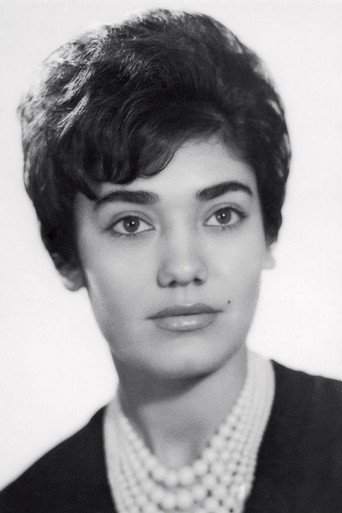
Marinella
View on IMDb ↗Kyriaki Papadopoulou (Greek: Κυριακή Παπαδοπούλου; 19 May 1938 – 28 March 2026) known by her stage name Marinella (Greek: Μαρινέλλα), was a Greek singer whose career has spanned several decades. She was well regarded due to her impressive vocal range. Since the beginning of her professional singing career in 1956, she had released 66 solo albums, and had also been featured on many albums by other musicians. She represented Greece in the Eurovision Song Contest 1974, marking the country's first entry in the contest. From 1956 to 2024, Marinella remained active for 68 years, performing in concerts and weekly shows at nightclubs. Marinella's first appearance in the cinema was with Stelios Kazantzidis - the most popular artistic couple of the time - in the 1960 film "I kyria dimarhos" (The Mayoress). In the film they sing two of their big hits of that time, "Ziguala" and "Gia mas pote min ximerosei". In the film Marinella sings alone, the song "Allaxane ta pragmata" which was written especially for the film and relates to women's empowerment which is one of the themes of this comedy. In 1962 she appears again with Kazantzidis in the melodramatic film "Klapse ftohi mou kardia" (Cry my poor heart) singing their hit "Fevgo me pikra sta ksena". In 1965 the couple will sing in the film "Oi adistaktoi" (The ruthless), the song of Yannis Markopoulos "Pios dromos ine anichtos" in which the leading actor of the film, Nikos Kourkoulos, participates. Kazantzidis and Marinella will appear together for the last time on screen in 1966, in Andreas Katsimitsoulias' film "Angeloi tis amartias" (Angels of Sin) with the song "Na fygo, na fygo". Her big personal successes, however, would come in 1968 and 1969. In 1968 she would appear in two films with two songs that marked her career: in the comedy "O pio kalos o mathitis" (The best student) she sang Giorgos Zampetas's "Stalia-stalia" - which gave the title to her first solo album, and in the musical "Gorgones kai magkes" when she sang "Anixe Petra", with music by Mimis Plessas and lyrics by Lefteris Papadopoulos. Her performance especially in this song launched her career and is still associated with her name to this day. In 1969 she will also sing in two films three songs that will also become big hits: "Pios in' aftos" in the film "O Blofatzis"(The bluffer) and "Dos' mou t' athanato nero" and "Zografismena sto charti" in "I Pariziana"(The Parisienne). In total, she has appeared as a singer in 24 films.
Known for
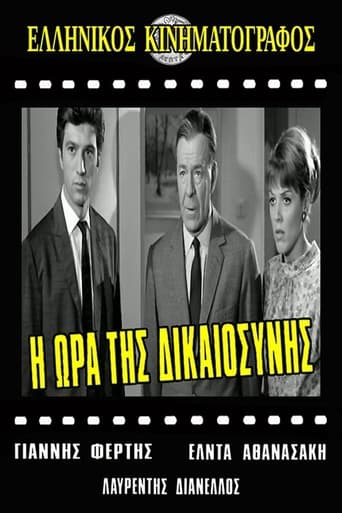 The hour of justice
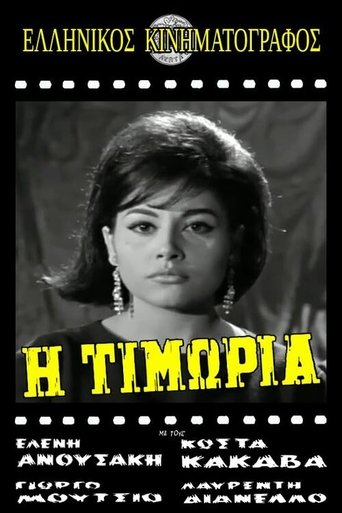 Punishment
 Play my sweety bouzouki
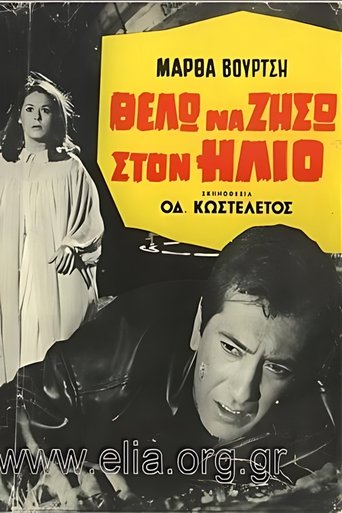 I want to live in the sun.
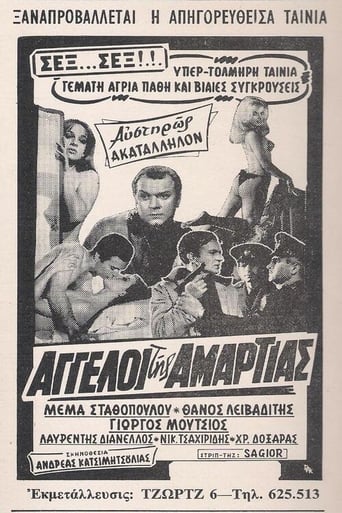 Angels of Sin
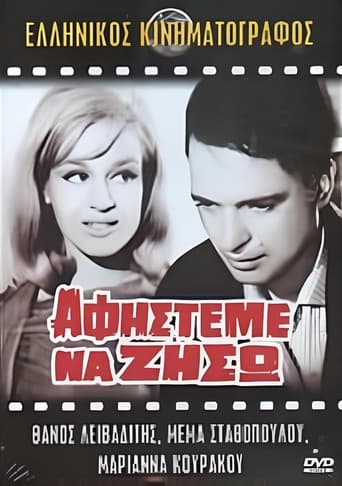 Let me live
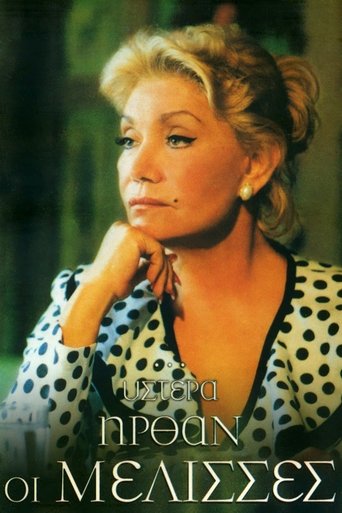 ...Then Came the Bees
 Athens 2004: Olympic Closing Ceremony (Games of the XXVIII Olympiad)
 Eurovision Song Contest
 Kitsos Mini and Souvlaki
Filmography (18)
- 2004
 Athens 2004: Olympic Closing Ceremony (Games of the XXVIII Olympiad)Herself
 - 2000
 ...Then Came the BeesΜαρίκα Σουέζ
 - 1970
 What a Waste!singer
 - 1969
 Naked On The Street
 - 1969
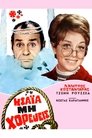 Isaiah, Don't Dancesinger
 - 1969
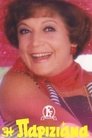 The Parisian Ladysinger
 - 1968
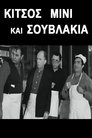 Kitsos Mini and Souvlaki
 - 1968
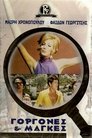 Mermaids for Lovesinger
 - 1967
 The hour of justice
 - 1967
 The Card Player
 - 1966
 I want to live in the sun.Singer
 - 1966
 Angels of Sin
 - 1965
 PunishmentSinger
 - 1965
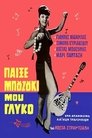 Play my sweety bouzouki
 - 1965
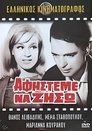 Let me liveSinger
 - 1960
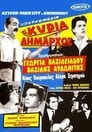 Madame Mayorsinger
 - 1960
 A Pitiful Don Juansinger
 - 1956
 Eurovision Song ContestSelf - Contestant