

Giuseppe Taffarel
Giuseppe Taffarel was born in Vittorio Veneto (TV) on March 1, 1922, where he died on April 9, 2012, shortly after celebrating his ninetieth birthday. From an early age he showed an innate passion for theater. He was self-taught and read plays with predilection. At the age of 19 he arrived in Rome where he attended the Academy of Dramatic Arts directed by Silvio D'Amico. In 1943 he enlisted in the partisan resistance fought in the Belluno-Treviso Prealps. He distinguished himself for his courage in numerous war actions. In 1946 he returned to Rome, in the golden age of neorealism, frequenting the world of cinema that he found at the Menghi Brothers' trattoria and at the Rosati bar. In the capital, while participating in the writing of numerous screenplays, he began a career as a film actor that saw him act in about twenty films including Achtung! Banditi! by Carlo Lizzani (1951) with Gina Lollobrigida and Giuliano Montaldo. At the end of the 1940s he collaborated with Glauco Pellegrini and Rodolfo Sonego on the making of some documentaries (the most famous are Parliamo del naso, Lezioni di anatomia and L’esperienza del cubismo) and was assistant director on Ceramiche Umbre by Glauco Pellegrini (1949), the first experimental color documentary by Ferraniacolor produced by Lux Film. In 1960 – after having theorized on the birth of the “new documentary cinema” with Michelangelo Antonioni and his friend Vittorio De Seta – he directed his first film La croce shot in Vittorio Veneto and its surroundings. From then until the beginning of the 1980s, he made over three hundred documentaries on different themes and genres: from paleontology to contemporary history, from natural sciences to Italian customs up to the representation of cities and landscapes where the history of art and anthropology are always highlighted. In all of Taffarel’s works, the anthropological/ethnographic gaze flows into the aesthetics of the image, culminating in moments of absolute lyricism and rare audiovisual poetics. The Venetian author’s ability to observe life, grasping the threads that connect the small history of the common man to the great history of humanity, is recognizable in about twenty short films in neorealist style. These documentaries can be considered small pearls in the history of cinema, like the recently restored and digitalized Fazzoletti di terra (1962), L’alpino della Settima (1969) and Via Crucis (1972).
Known for
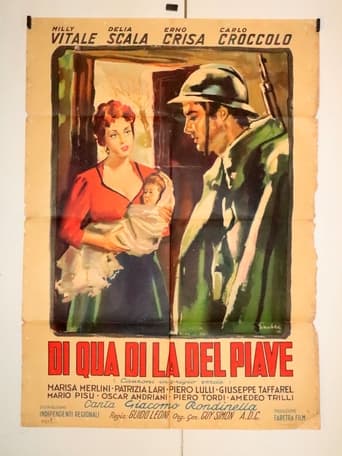 Di qua, di là del Piave
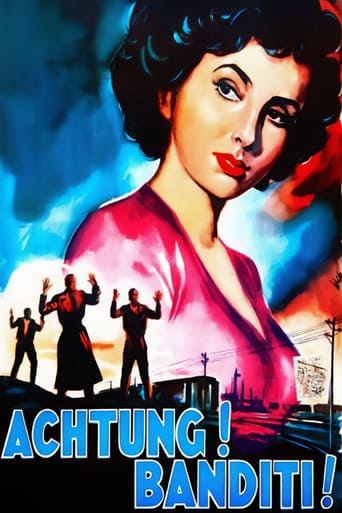 Attention! Bandits!
Filmography (3)
Crew (27)
- 1972Via CrucisDirector
- 1970La maratona delle neviDirector
- 1969Un alpino della settimaDirector
- 1969Legna da ardereDirector
- 1969VociDirector
- 1968LagunaDirector
- 1968La resistenza nel TrevigianoDirector
- 1968Vittorio Veneto: Città nella storiaDirector
- 1967Il confino di Cesare PaveseDirector
- 1967Il contadino che viene dal mareDirector
- 1967Uccellagione tradizione anticaDirector
- 1967Caccia col capannoDirector
- 1967Paese mio covo de' corcaliDirector
- 1966La montagna del soleDirector
- 1966Surf CastingDirector
- 1966Monte Grappa 1944Director
- 1966SolitudineDirector
- 1966Un giorno alla settimanaDirector
- 1964Impressioni libanesiDirector
- 1964Riviera Mediterraneo estDirector
- 1963Fazzoletti di terraDirector
- 1962Le nerteDirector
- 1961The Seven RevengesScreenplay
- 1960Sesto Grado SuperioreDirector
- 1960La croceDirector
- 1960UccellandaDirector
- 1959Goliath and the BarbariansScreenplay