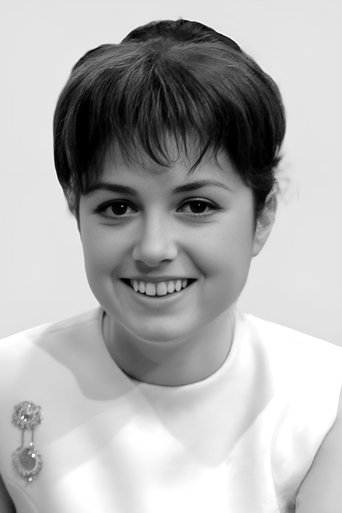
Gigliola Cinquetti
View on IMDb ↗Gigliola Cinquetti (born Giliola Cinquetti on 20 December 1947) is an Italian singer, songwriter, and television presenter. Gigliola Cinquetti was born into a wealthy family in Verona. From the ages of 9 to 13, she studied and took piano lessons, taking exams in music theory. She loves painting and art. Her career as a professional singer began when she was 16. At the age of 16 she won the Sanremo Music Festival in 1964 singing "Non ho l'età" ("I'm not old enough"), with music composed by Mario Panzeri and lyrics by Nicola Salerno. Her win enabled her to represent Italy in the Eurovision Song Contest 1964 in Copenhagen with the same song, where she claimed her country's first ever victory in the event. Cinquetti became the youngest winner of the contest, aged 16 years and 92 days. Only one younger artist has triumphed since: Sandra Kim in 1986. The song became an international success, even spending 17 weeks in the UK Singles Chart and ending the year as the 88th best-selling single in the U.K. in 1964, something highly unusual for Italian-language material. It sold over three million copies, and was awarded a platinum disc in August 1964. In 1966, she recorded "Dio, come ti amo" ("God, How I Love You"), which became another international hit. One of her other songs, "Alle porte del sole" (released in 1973), was re-recorded in both English (as "To the Door of the Sun") and Italian by Al Martino, two years after its initial release; "To the Door of the Sun" reached No. 17 on Billboard's Hot 100 in the United States. Cinquetti's own English version of the song was released as a single by CBS Records in August 1974, with her original 1973 Italian version on the B-side. Cinquetti returned in the Eurovision Song Contest 1974, held in Brighton, where she again represented Italy. Performing the song "Sì" ("Yes"), the music and lyrics of which were written by Mario Panzeri, Daniele Pace, Lorenzo Pilat and Carrado Conti, she came second with 18 points after "Waterloo", sung by Sweden's ABBA, who won with 24 points. The live telecast of her song was banned in her home country by the Italian national broadcaster RAI, as the event partially coincided with the campaigning for the 1974 Italian divorce referendum which was to be held a month later in May. RAI censored the song because of concerns that the name and lyrics of the song (which constantly repeated the word 'Sì') could be accused of being a subliminal message and a form of propaganda to influence the Italian voting public to vote 'Yes' in the referendum. The song remained censored on most Italian state TV and radio stations for over a month. Cinquetti later recorded versions of the song in English ("Go (Before You Break My Heart)"), French ("Lui"), German ("Ja") and Spanish ("Si"). The English-language version reached number 8 in the UK Singles Chart in June 1974. She graduated from the art school of Salerno, also obtaining the qualification to teach. She married Luciano Teodori in 1979, and they have two children together — Giovanni and Costantino. She has a sister named Rosabianca. Her parents are Luigi and Sara. ... Source: Article "Gigliola Cinquetti" from Wikipedia in English, licensed under CC-BY-SA 3.0.
Known for
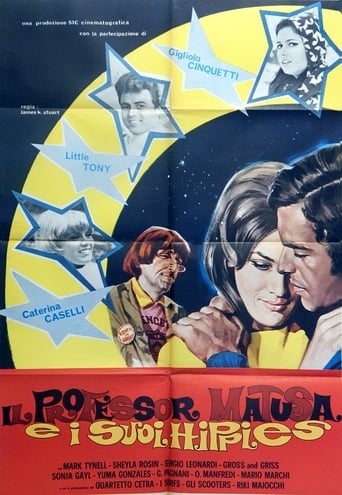 Il professor Matusa e i suoi hippies
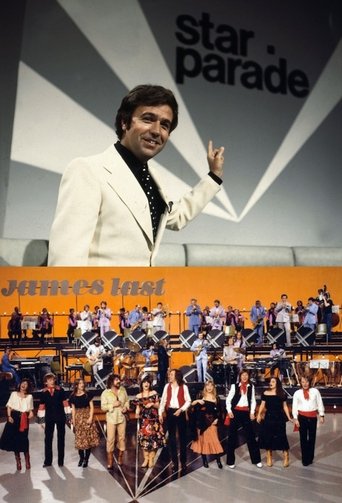 Starparade
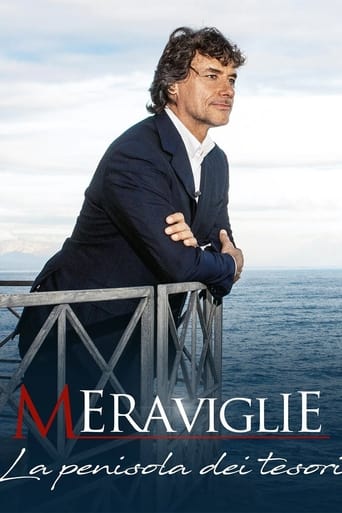 Wonders - The Peninsula of Treasures
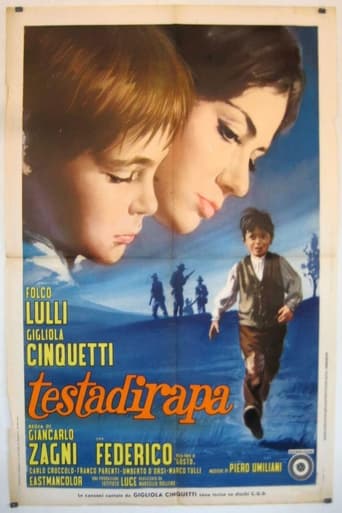 Testadirapa
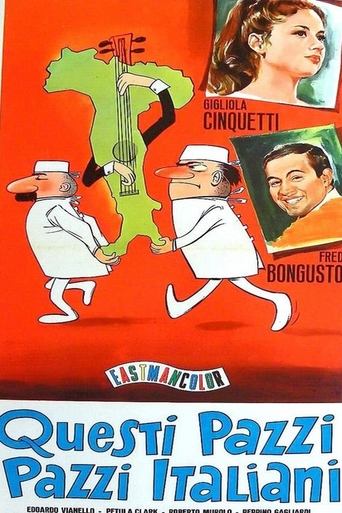 Questi pazzi, pazzi italiani
 Discorama
 Aktuelle Schaubude
 Sanremo Music Festival
 Die Rudi Carrell Show
 Eurovision Song Contest
Filmography (37)
- 2024
 Milva, diva per sempreHerself
 - 2023
 The Right AgeLuciana
 - 2020
 The A-Z of EurovisionSelf - Presenter (archive footage)
 - 2018
 Wonders - The Peninsula of TreasuresSelf
 - 2001
 Knights Of The QuestMadre Superiora
 - 1999
 ShopgirlsClara Massimi
 - 1990
 The Sanremo CaseSelf
 - 1987
 Sacrée soiréeSelf
 - 1984
 La Chance aux chansonsSelf
 - 1982
 Champs-ElyséesSelf
 - 1976
 Domenica InSelf
 - 1976Rendezvous bei Caterina ValenteSelf
- 1975
 Les Rendez-vous du dimancheSelf
 - 1975Système 2Self
- 1972
 Midi trenteSelf
 - 1972Hätten Sie heut’ Zeit für mich?Self - Singer
- 1971Samedi soirSelf
- 1969Peter Alexander präsentiert SpezialitätenSelf
- 1969Die ZDF-HitparadeSelf
- 1968
 Il professor Matusa e i suoi hippies
 - 1968
 StarparadeSelf
 - 1968Spotlightself
- 1966
 TestadirapaAngelina la maestra
 - 1966
 How Do I Love You?Gigliola Di Francesco
 - 1965
 Questi pazzi, pazzi italianiSelf
 - 1965
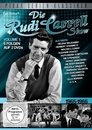 Die Rudi Carrell ShowSelf - Singer
 - 1965Show - Charme - ChansonsSelf
- 1964Musikauktionself
- 1964Die DrehscheibeSelf
- 1964
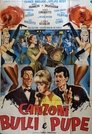 Songs, Bullies and ChicksSelf
 - 1961Musik aus Studio BSelf
- 1959
 DiscoramaSelf
 - 1957
 Aktuelle SchaubudeSelf
 - 1956
 Eurovision Song ContestSelf - Presenter
 - 1951
 Sanremo Music FestivalSelf - Special Guest
 - —
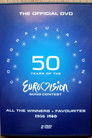 Congratulations: 50 Years Of The Eurovision Song Contest (1956 - 1980)
 - —Il bivioAngela e Laila