
Enrique Zambrano
View on IMDb ↗If we think of a biopic about calm and smiling actor Enrique Zambrano, several moments occurred: from when he saw the light for the first time in the twenties, until when he died in the sixties. He was born with a character that later became the beautiful serenity that made him. He died leaving an orphan-hood and widowhood to a family to which he gave a promising future. We can refer to his life story as that of a tree. It could open on July 5, 1920 in Monterrey, Nuevo León, Mexico, where a family receives their newborn child with brown eyes, black hair and cupid-shaped lips saw the light for the first time. The parents of the Zambrano-Echeverría family named their baby Enrique Jesús, which meant, if we merged these names, "The Lord of the house and of salvation." With the passage of time, the little lord of the house, as we have said previously, became a handsome gentleman. But he got his artistic opportunity at the age of 23 in the cinema, something that would change his life forever and that led him to be part of the wonderful world of popular culture in the rest of it. The year was 1943. A very young Enrique Zambrano, set foot on the art world with the right foot, when he filmed his first film, María Candelaria, later released in 1944. And the rest is history. His most famous film was the 1950s disaster horror classic The Black Scorpion (1957), in which he played Cayetano, a linesman killed by a truck. Enrique's life was a life between artistic works and family life. Until his death, he was married to Mrs. Patricia Alpizar. As a result of this marriage, Enrique and Patricia founded a family. They became the proud and loving parents of four children: Patricia, Eugenia, Joaquín and Enrique Zambrano Alpizar. It was In the sixties, he ventured, in addition to being an actor and father, as a writer, producer and director. He was the creator of the Villalobos series, with two films: The Justice of the Villalobos (1961) and Here Come the Villalobos (1962). In this decade he also ventured into dubbing, as an actor, translator, adapter, and singer. Yes. He was the performer of many songs in his dubbing. But it was directing, translating and adapting where he dedicated himself the most. Of all the dubbing jobs he did, the one that made history for younger and older audiences, was directing the first two seasons of Gene Roddenberry's "Star Trek". In this 1960s television classic, Enrique also did secondary and incidental voices. The rest for him was pure direction. Between jobs and dubbing, Enrique's life continued normally, until in 1968, he was surprised by a worrying health problem: they found stones in his liver. So, he had to undergo surgery in a hospital in Mexico City, to prevent the pathology from advancing and consuming his body. According to testimonies by co-workers, Enrique was given a lot of anesthesia for his low-risk surgery. But unfortunately, the operation failed: Enrique ended up dying on November 22, 1968, at the age of 48, a victim of cardio respiratory arrest, due to medical negligence.
Known for
 Pablo y Carolina
 Maria Candelaria
 The Troublemaker
 El cuarto mandamiento
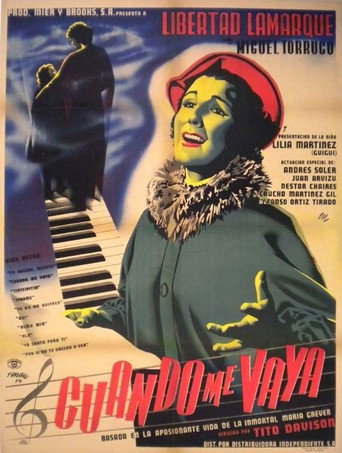 Cuando me vaya
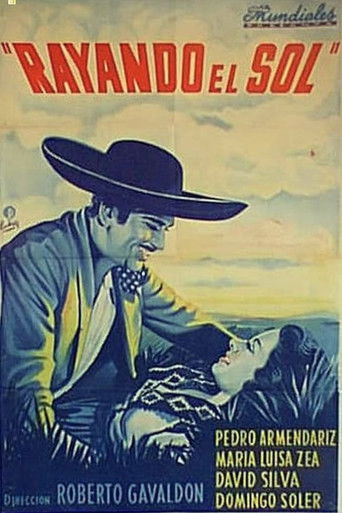 Rayando el sol
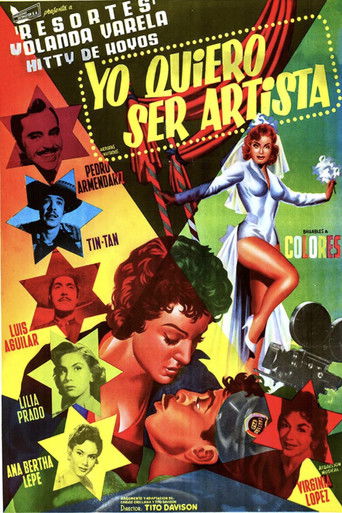 Yo quiero ser artista
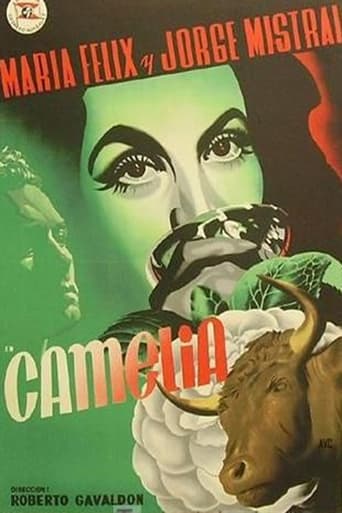 Camelia
 Padre nuestro
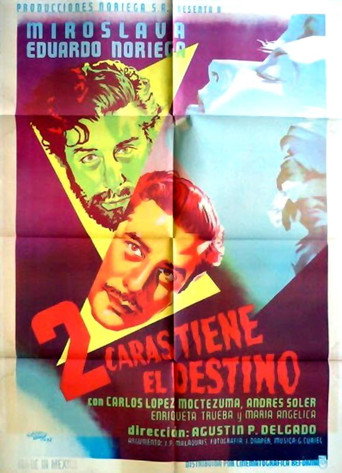 Two Faces Have the Destiny
Filmography (26)
- 1961
 El hombre de la ametralladoraComandante Madrigal (uncredited)
 - 1961
 Santo vs. Evil BrainLt. Zambrano
 - 1961
 Santo vs. Infernal MenTeniente Zambrano
 - 1958
 Yo quiero ser artistaJavier Martínez
 - 1958El jinete negro
- 1957
 Pablo y Carolina
 - 1957
 Five lives and one destinyEl Mudo
 - 1957
 Assassins of the NightJavier
 - 1956
 Silent FearDr. Antez
 - 1956
 MassacreMunez
 - 1955
 La engañadora
 - 1954
 Cuando me vayaAnunciador ceremonia (uncredited)
 - 1954
 CameliaEnrique's Friend (uncredited)
 - 1953
 Padre nuestroJuanito
 - 1953
 Cuatro horas antes de morirSecuaz del cómplice
 - 1952
 Two Faces Have the DestinyAsistente de Estrada (uncredited)
 - 1951
 The TroublemakerPeralvillo's Accomplice (uncredited)
 - 1951
 In the Palm of Your HandPolice Detective (uncredited)
 - 1951
 Una gringuita en México
 - 1951
 StreetwalkerDoctor (uncredited)
 - 1951
 Lost LoveEl Californiano
 - 1949
 Rondalla
 - 1948
 El cuarto mandamientoDon Ricardo
 - 1948
 Tania, the Beautiful Wild GirlEduardo
 - 1946
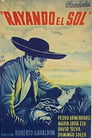 Rayando el sol
 - 1944
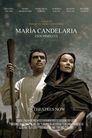 Maria CandelariaMedic (uncredited)