
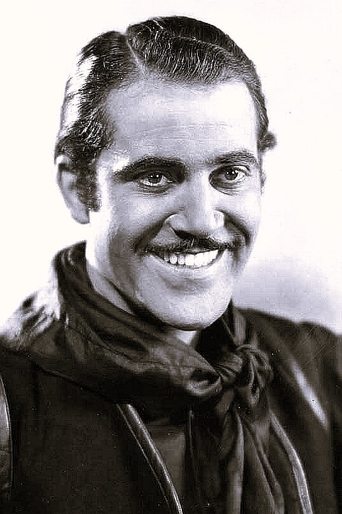
José Bohr
View on IMDb ↗Born in Germany on November 3, 1901 under the name of Joseph Bohr Elzer, the young José Bohr arrived with his family to colonize southern Chile in 1904. It was in the city of Punta Arenas where he began his precocious cinematographic and musical career, composing songs including the hymn "Punta Arenas", playing the piano for silent films and making his first film works before he was in his twenties. After emigrating to Santiago in 1921, he went to Brazil, Uruguay and Argentina, hired by the Chilean Ministry of Foreign Affairs to make a documentary. Later he settled in Buenos Aires, where he composed a good part of the 200 songs that swelled the popular songbook of the time, such as "Y tenía un lunar", "Cascabelito" and "Pero hay una melena", as well as advertising tangos for music houses. He performed for the first time in the United States in 1925, starring in the musical show Gaucho at the Paramount Theater in Broadway. In this country he rubbed shoulders with the stars of the big screen, enjoying bohemian life and success. Shortly thereafter, he starred in the first Spanish-language film produced in Hollywood, Sombras de gloria, for which he received a symbolic Oscar, since the category of best foreign film did not yet exist. In Mexico, where he moved in 1932 and became friends with renowned artists such as Luis Buñuel, Cantinflas and Jorge Negrete, he became one of the pioneers of cinema, shooting more than thirty films. It was there when, in 1936, Claudio Arrau starred in and interpreted the music for his film, which was about the life of Liszt. Upon his return to Chile in 1940, he served as general director of Chile Films and shot 16 films. He composed the music for all of them, as was usual in the sixty films he made during his lifetime. Some of his most famous films are Uno que ha sido marino, Si mis campos hablaran and El gran circo Chamorro. In addition to being named Illustrious Son of the city of Punta Arenas in 1976, the Government decorated him with the Bernardo O'Higgins Order of Merit. In the 1980s he settled in Denmark with his sons Daniel and Eduardo, also dedicated to film and music. He died on May 29, 1994 in Oslo, Norway.
Known for
 Ex-Flame
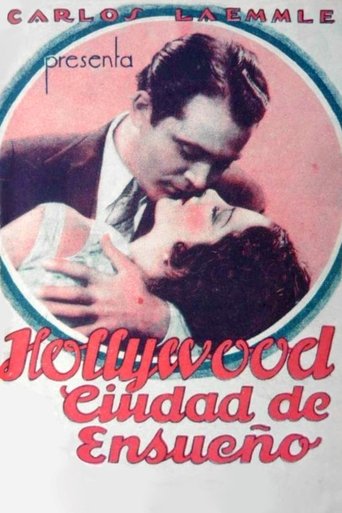 Hollywood, City of Dreams
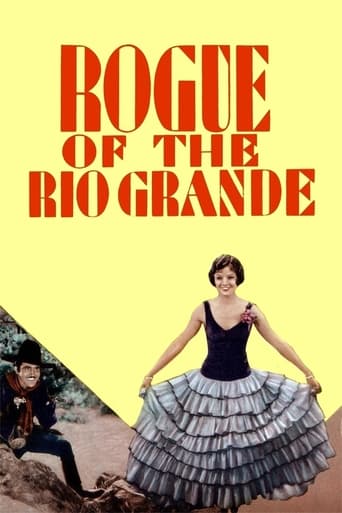 Rogue of the Rio Grande
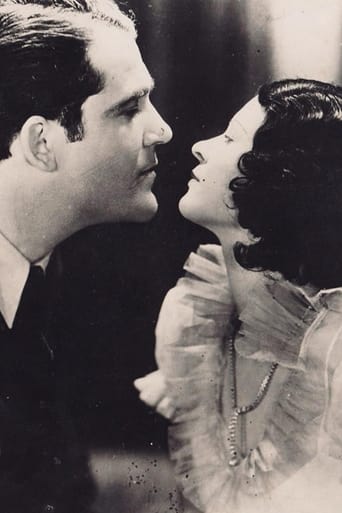 Thus is Life
 If My Fields Could Talk
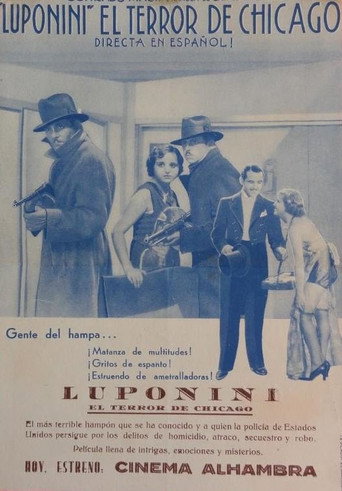 Luponini (El terror de Chicago)
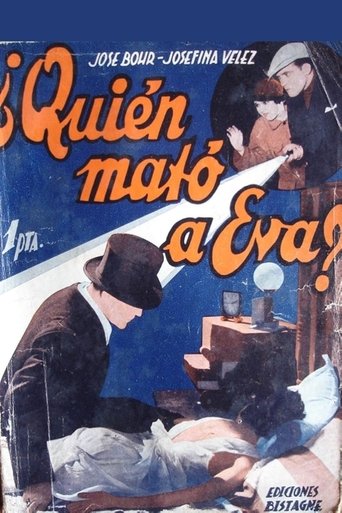 Who Killed Eve?
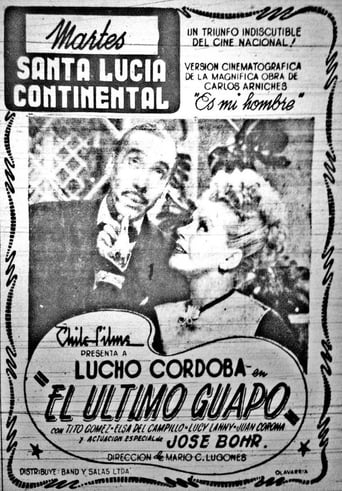 El último guapo
 Borrasca humana
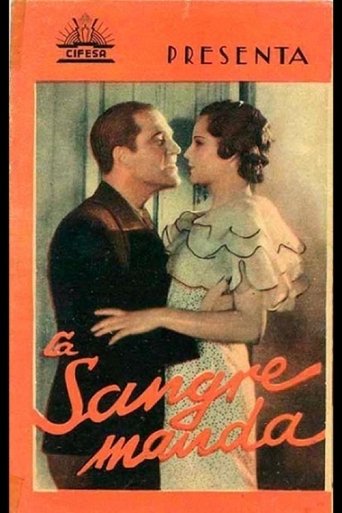 La sangre manda
Filmography (15)
- 1966
 Los buenos samaritanos
 - 1947
 If My Fields Could Talk
 - 1947
 El último guapo
 - 1940
 Borrasca humana
 - 1936
 Marihuana (El monstruo verde)Raúl Devoto / Daniel
 - 1935
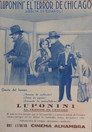 Luponini (El terror de Chicago)Luponini
 - 1934
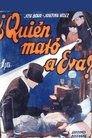 Who Killed Eve?Jose Rolan
 - 1934
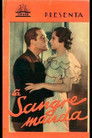 La sangre manda
 - 1931
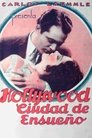 Hollywood, City of DreamsJosé
 - 1930
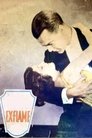 Ex-FlameArgentinean
 - 1930
 Rogue of the Rio GrandeEl Malo
 - 1930
 Thus is LifeJosé Rolan
 - 1929
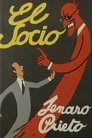 Pacto con el Diablo (o el socio, Mr. Davis)
 - 1928Las cuatro plumas
- 1920Mi noche alegre
Crew (27)
- 1970Sonrisas de ChileMusic
- 1958Procesado 1040Original Music Composer
- 1955The Big Chamorro CircusDirector
- 1951One Who's Been a SailorMusic
- 1950Time FliesDirector
- 1949La cadena infinitaDirector
- 1948Tonto PilloProducer
- 1948The Hand of DeathProducer
- 1948Mis espuelas de plataScreenplay
- 1947La Dama de las CameliasDirector
- 1946El hombre que se llevaronProducer
- 1944Flor del CarmenDirector
- 1942P'al otro ladoDirector
- 1939Una luz en mi caminoScreenplay
- 1939A Macabre LegacyEditor
- 1939El látigoDirector
- 1938El rosario de AmozocDirector
- 1938Por mis pistolasDirector
- 1938Canto a mi tierraEditor
- 1936Así es la mujerDirector
- 1935Sueño de amorProducer
- 1935Tu hijoDirector
- 1920Actualidades de Magallanes Nº7Director
- 1919MAGALLANES FILM: MAGALLANES COMMERCIAL, INDUSTRIAL AND LIVESTOCK FARMINGDirector
- 1919MAGALLANES FILM: ACTUALIDADES DE MAGALLANES Nº1Director
- 1919MAGALLANES FILM: ACTUALIDADES DE MAGALLANES Nº3Director
- 1919Easily, or The Lottery TicketDirector